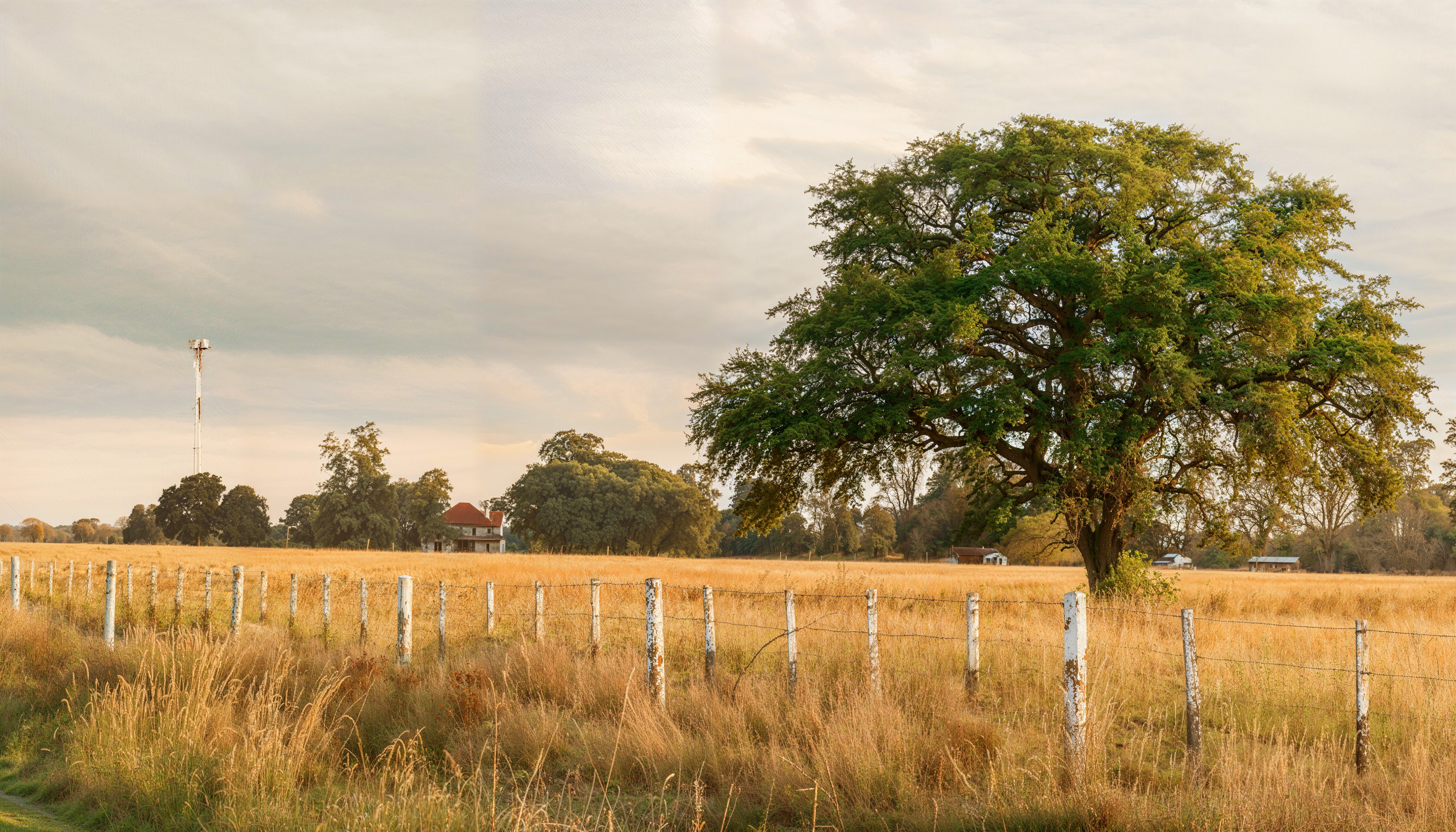
A tree stands in a sunlit grassy field, bordered by a white fence. A farmhouse and trees are in the distance under a cloudy sky.

A forgotten pathway that enables plants to live longer

Infira expresses naturally occurring plant genes to restore perennial growth.

Perennial crops grow longer, allowing them to develop deeper root systems. This leads to healthier soils and, ultimately, greater yield with fewer inputs over time.

Perennial crops grow longer, allowing them to develop deeper root systems. This leads to healthier soils and, ultimately, greater yield with fewer inputs over time.

Perennial crops grow longer, allowing them to develop deeper root systems. This leads to healthier soils and, ultimately, greater yield with fewer inputs over time.

Step 1

Step 1

Step 1

Listening to evolution

Our work starts by studying how plants have evolved over millions of years, how they adapted, endured, and passed on traits that helped them thrive. Nature’s logic has already solved many of the challenges we face today.

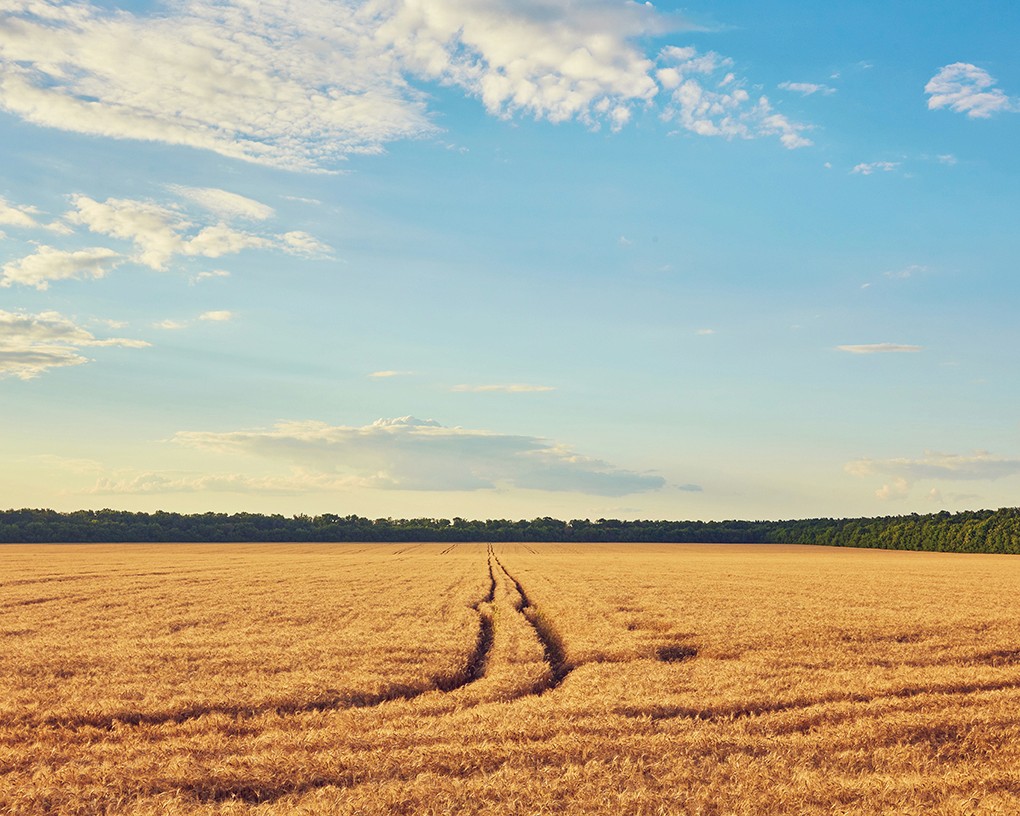
Golden wheat field under a clear blue sky with scattered clouds. Tire tracks cut through the field, leading toward a distant tree line.
Gloved hands hold a test tube while a pipette adds liquid in a laboratory setting.

Step 2

Step 2

Step 2

Identifying Genes

We focus on discovering genes responsible for valuable traits that have been lost in modern crops through domestication. A primary focus is perenniality, the ability of a plant to live for more than two years and deliver multiple harvests over time.

Step 3

Step 3

Step 3

Expressing perennial life

Using our proprietary method, we selectively express previously identified genes that enable post-harvest regrowth in annual commercial crops. This allows us to develop perennial-like varieties capable of continuous production, mirroring the natural resilience of perennial plants.

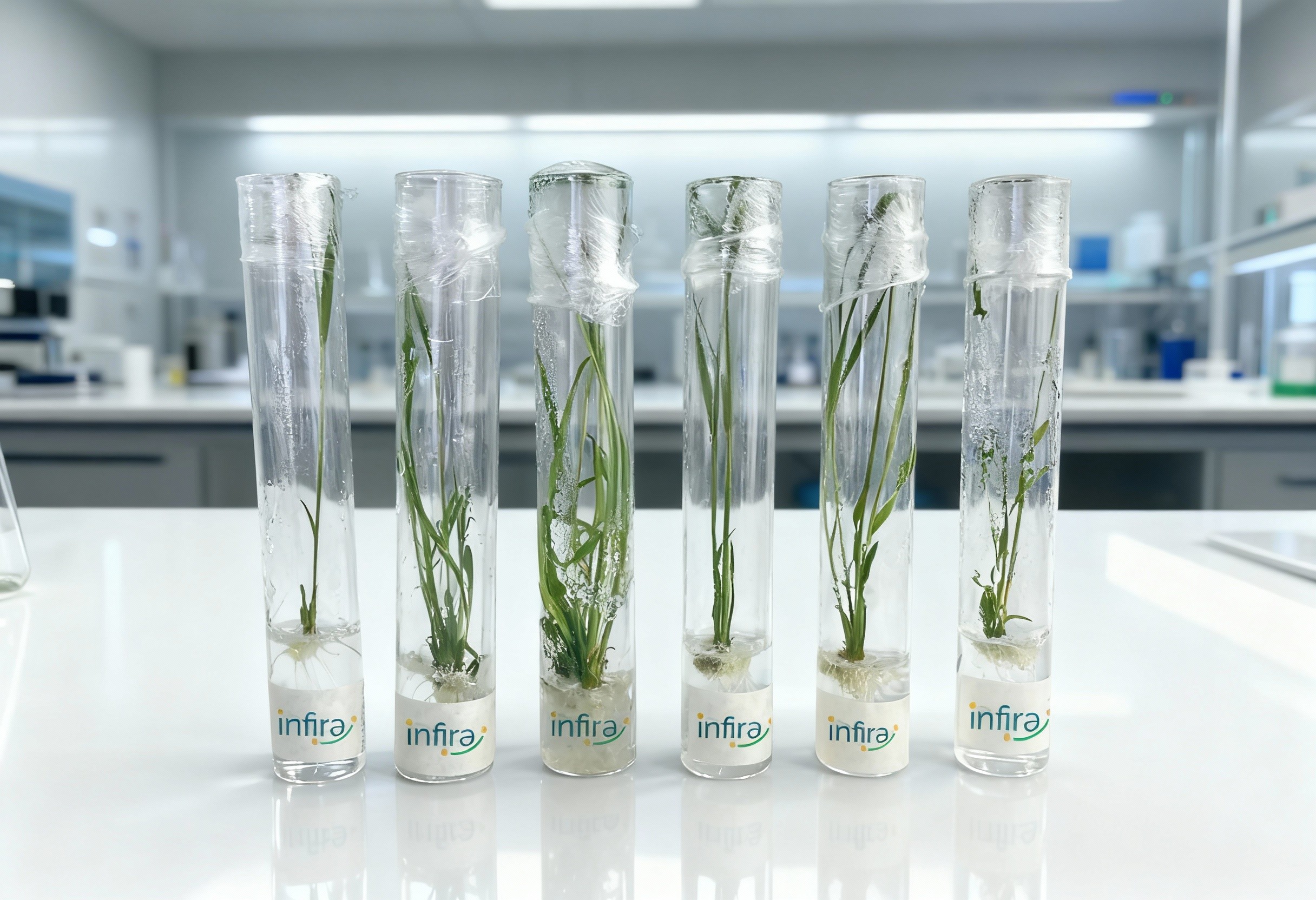
Six transparent test tubes stand upright, each encasing a green plant stem rooted in a gel-like substance.
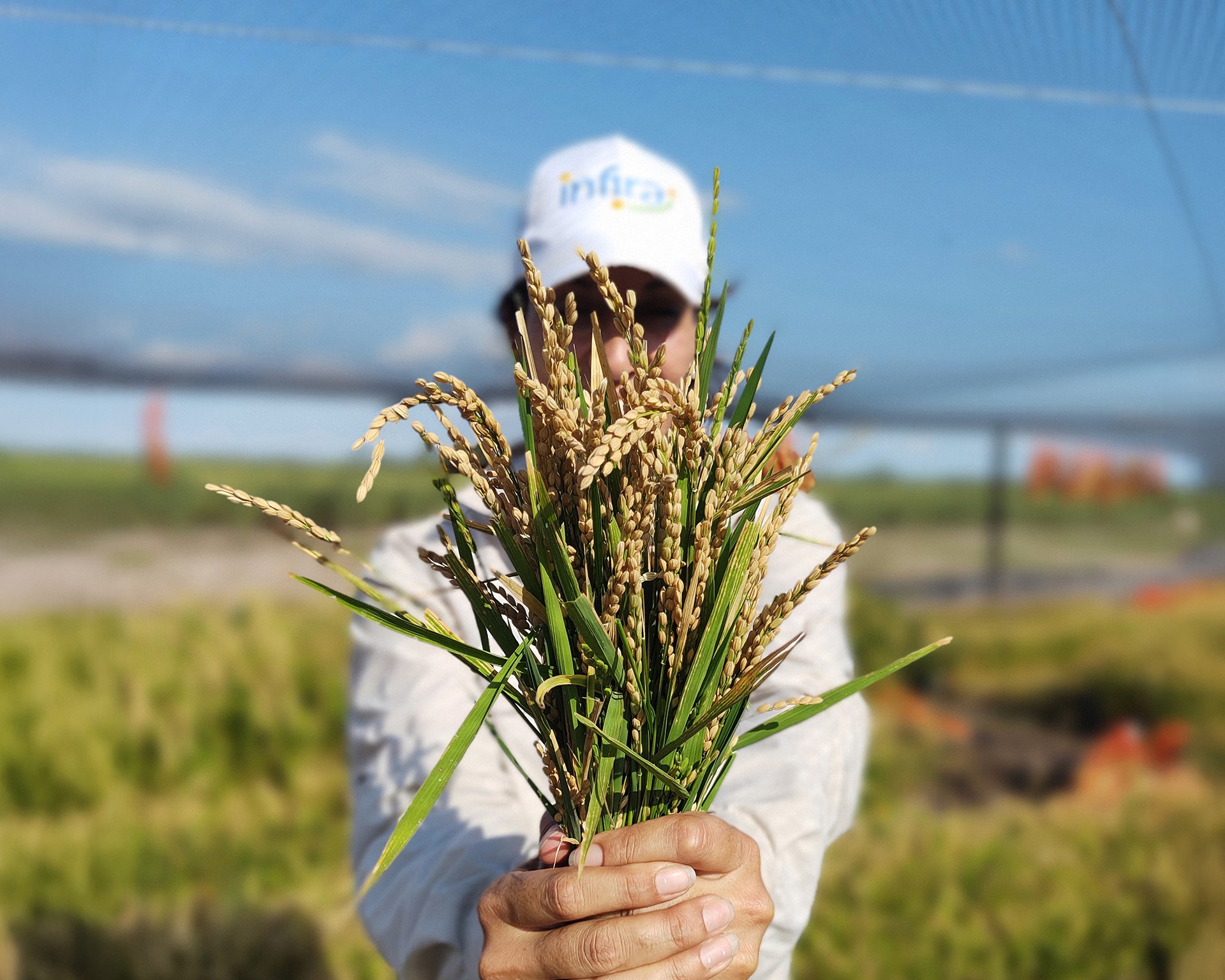
A person holds a bundle of ripe rice plants, in a field with blue sky.

Step 4

Step 4

Step 4

Growing differently

The result is a new system of agriculture: one that produces more with less, regenerates the soil, and gives farmers and the planet a more stable future.

Helping Crops to Regrow

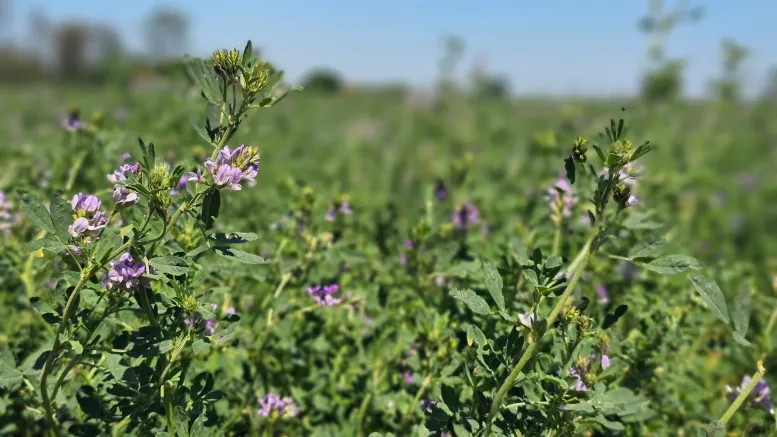
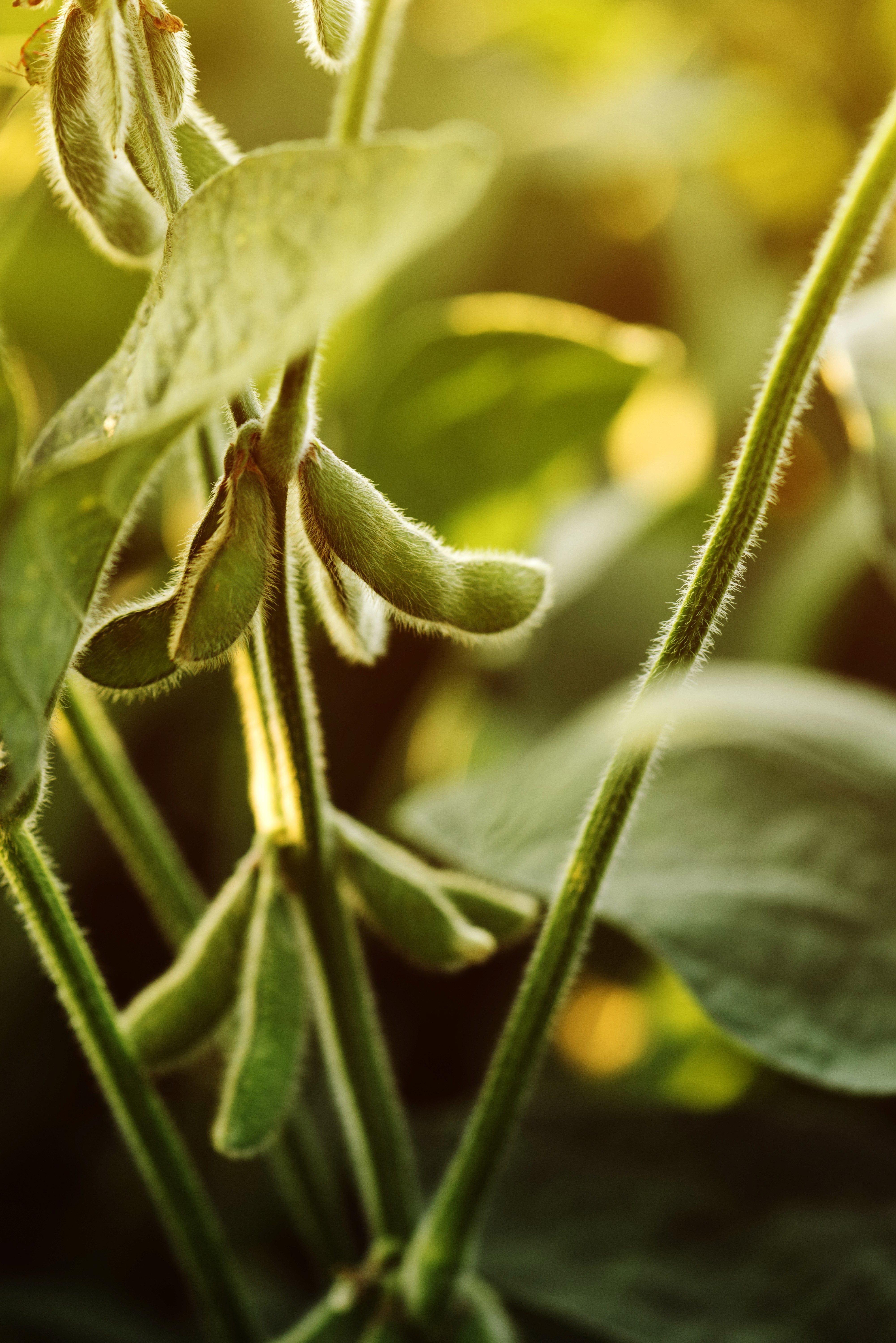
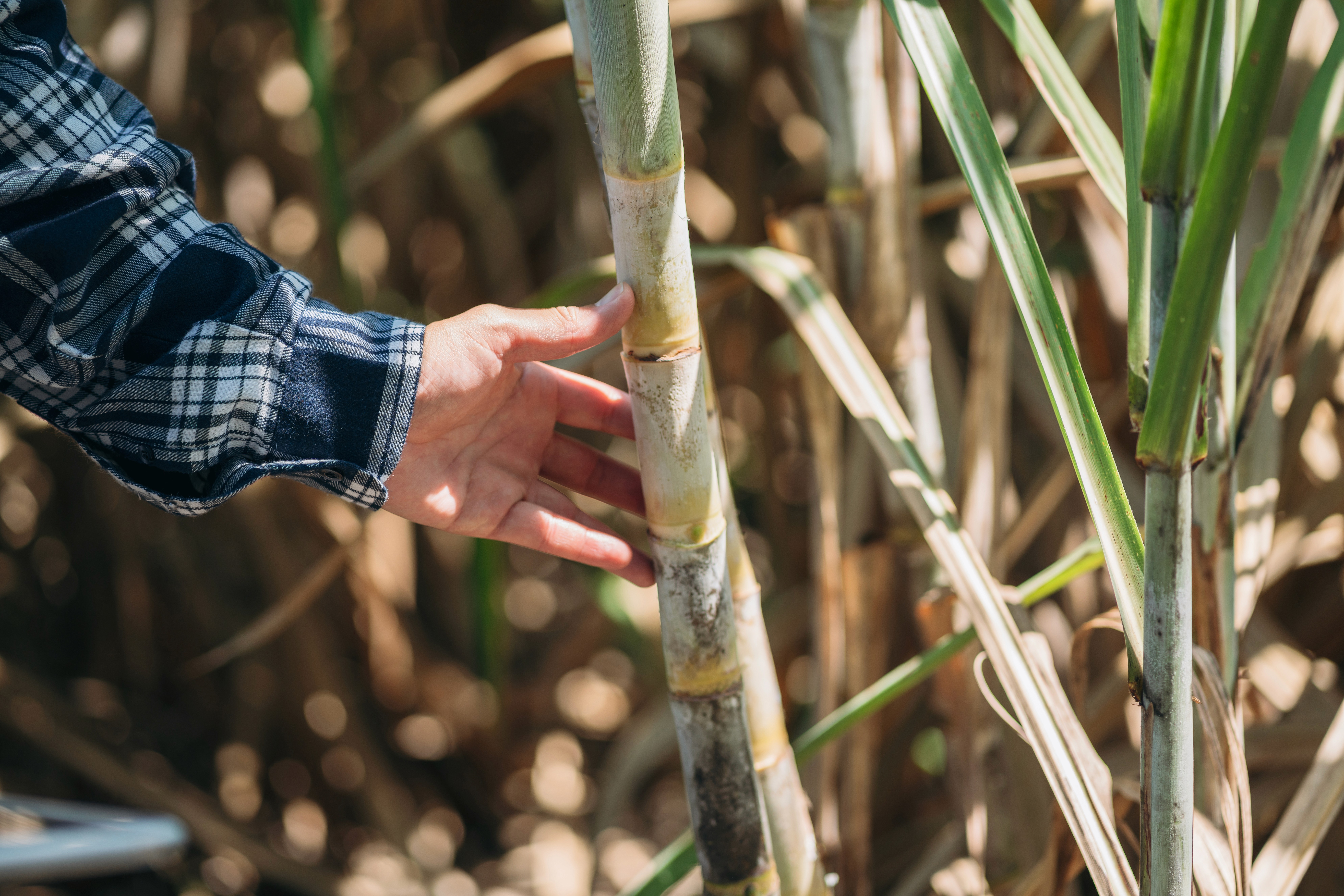
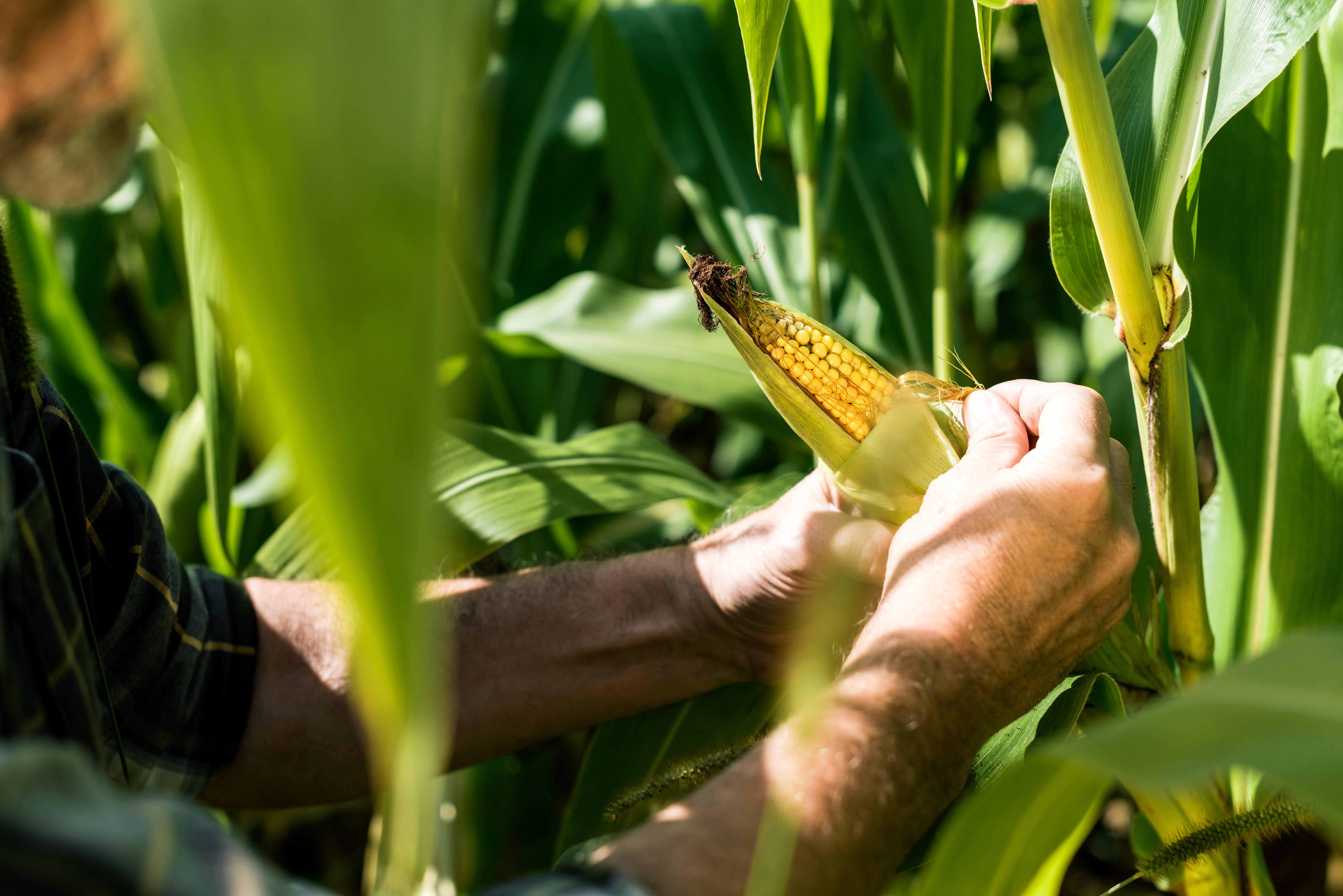
Infira applies technology to different crops.

Why perennials?

Here’s how perennial crops compare to the current model.

  1. Lower costs

    Reduce planting frequency and input needs — lowering costs season after season.
  2. Less waste

    Grow continuously and efficiently, producing less waste across seasons.

  3. Smaller footprint

    Require fewer resources and help retain carbon and water in the ecosystem.

  4. Less degradation

    Develop deep and permanent roots that stabilize and regenerate the soil.

  1. Lower costs

    Reduce planting frequency and input needs — lowering costs season after season.

  2. Less waste

    Grow continuously and efficiently, producing less waste across seasons.

  3. Smaller footprint

    Require fewer resources and help retain carbon and water in the ecosystem.

  4. Less degradation

    Develop deep and permanent roots that stabilize and regenerate the soil.

  1. Lower costs

    Reduce planting frequency and input needs — lowering costs season after season.

  2. Less waste

    Grow continuously and efficiently, producing less waste across seasons.

  3. Smaller footprint

    Require fewer resources and help retain carbon and water in the ecosystem.

  4. Less degradation

    Develop deep and permanent roots that stabilize and regenerate the soil.

Ready to grow together?

Whether you're exploring a partnership, licensing opportunity, or want to know more about our work — we'd love to hear from you.
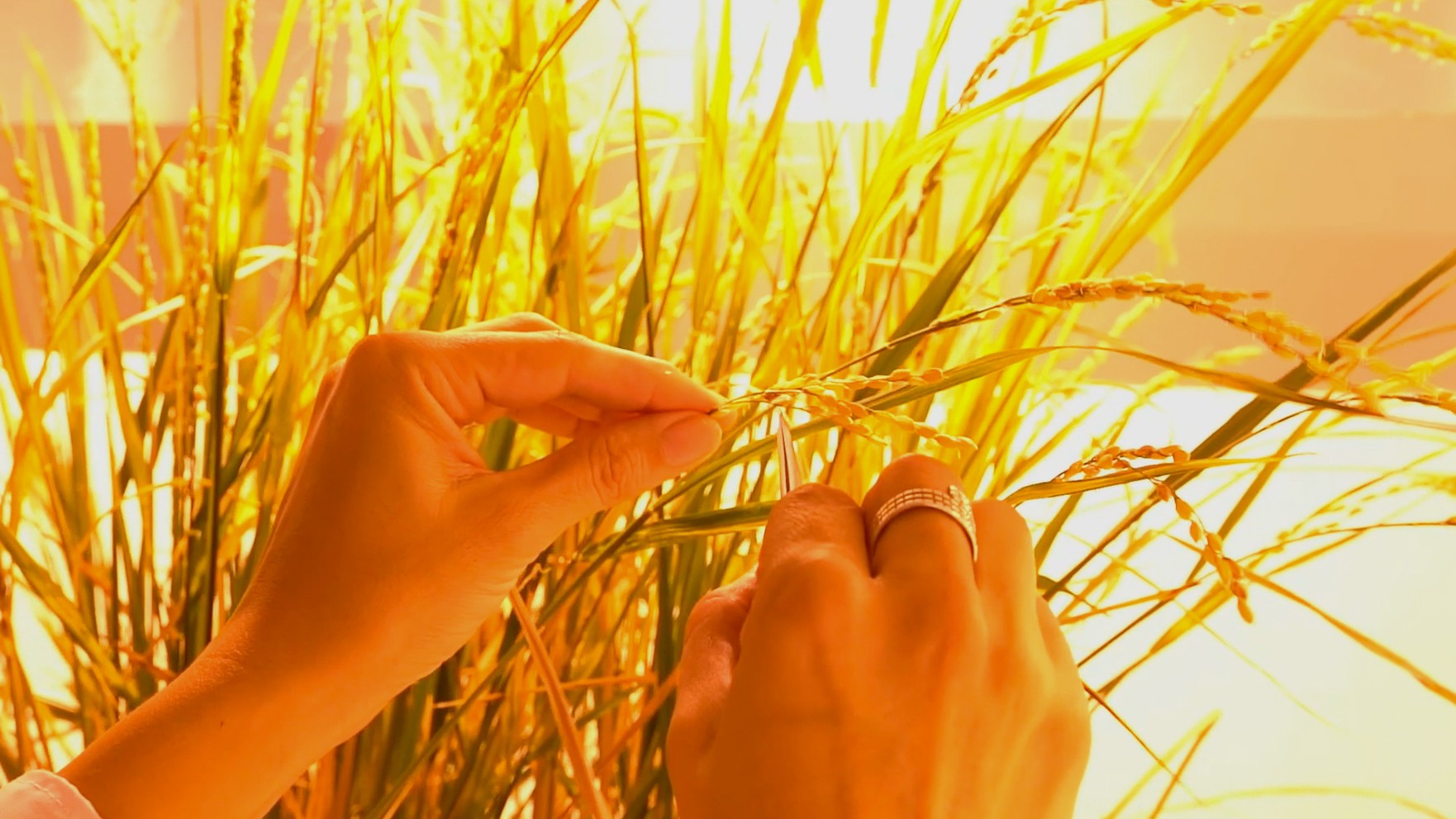
Two hands gently hold rice stalks in warm light.